
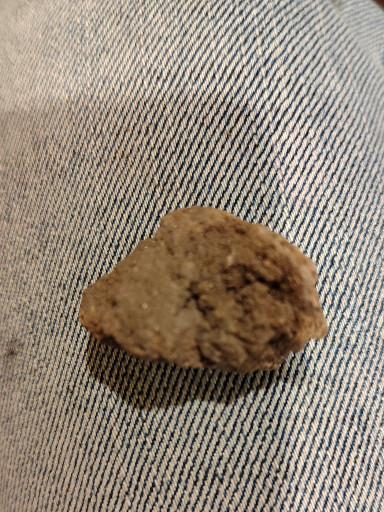
Natural quartz geode nodule specimen
Selling Price
$47
History
Geodes are hollow rock formations that develop over millions of years when mineral-rich water seeps into cavities in sedimentary or volcanic rock. As the water evaporates, minerals like quartz, calcite, or agate crystallize on the cavity walls, creating the distinctive crystal-lined interior. This particular specimen appears to be an unopened or partially opened geode nodule, likely formed during the Paleozoic era in sedimentary limestone formations. Geodes are highly prized by mineral collectors, geology enthusiasts, and crystal collectors for their natural beauty and the surprise element of discovering what lies within. These specimens appeal to educational institutions, rock hounds, and decorative mineral collectors who appreciate the geological processes that create such formations. The anticipation of cutting open a geode to reveal its crystalline interior makes these specimens particularly popular among hobbyists and those interested in earth sciences.
Origin
Kentucky, United States
Time period
Paleozoic Era formation, contemporary collection