
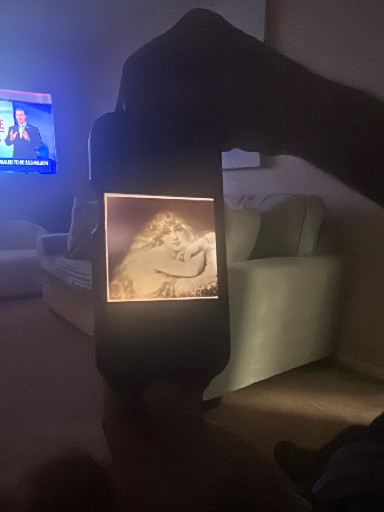
Lithophane panel depicting a romantic or classical scene

History
Lithophanes are thin translucent porcelain panels that reveal detailed images when backlit. This technique was invented in Europe in the 1820s, with production peaking during the mid-19th century in Germany, France, and England. The delicate relief carving creates varying thicknesses in the porcelain, producing grayscale images of remarkable detail when light passes through. Lithophanes remain highly collectible among enthusiasts of Victorian decorative arts and early photographic alternatives. Collectors prize them for their technical craftsmanship, romantic imagery, and the magical quality of the illuminated scenes. These panels were originally used in lamp shades, window panels, and decorative screens, representing the intersection of art and innovative ceramic technology during the Industrial Revolution.
Origin
Germany
Time period
circa 1840-1900