
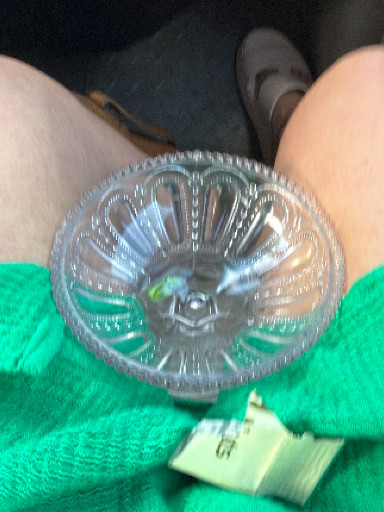
Pressed glass compote in the Wisconsin pattern (also known as Beaded Dewdrop) by U.S. Glass Company

History
The Wisconsin pattern was introduced by the United States Glass Company around 1903 as part of their States series, which featured patterns named after U.S. states. This Early American Pattern Glass (EAPG) design is characterized by its distinctive beaded dewdrop motif and radiating panels, reflecting the popular pressed glass aesthetic of the early 20th century. These pieces were mass-produced using mechanical pressing techniques that made decorative glassware affordable for middle-class American households. Wisconsin pattern pieces are highly sought after by EAPG collectors and enthusiasts of American pressed glass. The pattern's clear, geometric design and historical significance as part of the States series make it particularly appealing to those who specialize in turn-of-the-century American glassware. Collectors value these pieces for their craftsmanship, historical context, and the challenge of completing full sets, as the Wisconsin pattern was produced in numerous forms including compotes, bowls, and table service pieces.
Origin
United States
Maker
United States Glass Company
Time period
circa 1903