
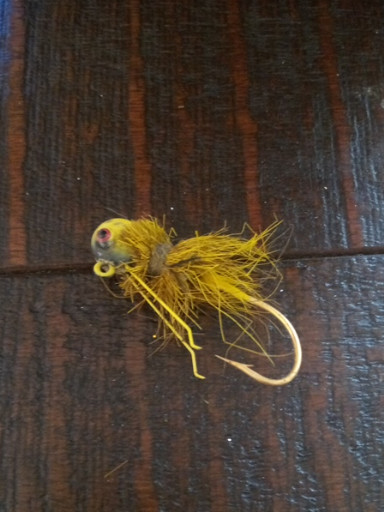
Hand-tied fly fishing lure in olive/yellow, likely a dragonfly nymph or crayfish pattern
History
Fly fishing lures have been crafted by anglers since the 15th century, with hand-tied patterns becoming increasingly sophisticated in the 19th and 20th centuries. This particular style appears to be a modern dragonfly nymph or crayfish imitation, designed to mimic aquatic prey that attract freshwater game fish such as trout, bass, and carp. These weighted nymphs are typically fished below the surface to simulate natural insect movement. Hand-tied fishing flies are prized by fly fishing enthusiasts and collectors who appreciate the craftsmanship and effectiveness of artisan-made lures. The fly fishing community values both vintage and contemporary patterns for their functionality and artistic merit. Collectors often seek out specific patterns tied by renowned fly tyers, while active anglers appreciate well-crafted flies for their superior performance on the water.
Time period
Contemporary (21st century)