
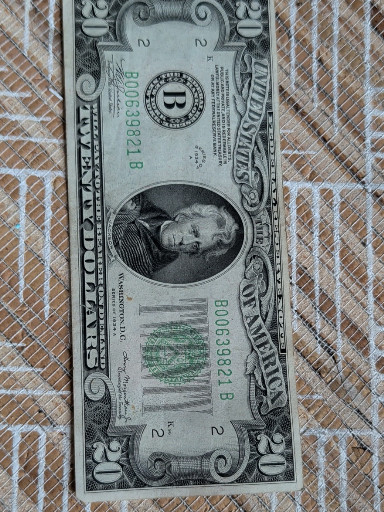
United States $2 Silver Certificate, Series 1899

History
The $2 Silver Certificate was issued by the United States Treasury from 1886 to 1899 as part of the nation's silver-backed currency system. The Series 1899 notes, known as 'Mini-Porthole' or 'Washington' notes, featured a distinctive portrait of George Washington in an oval frame and were printed with blue serial numbers and Treasury seal. These certificates were redeemable for silver dollars and circulated alongside other denominations during a period when the U.S. monetary system was transitioning between various backing standards. Production of $2 Silver Certificates ended in 1899, making them among the last of their type before the introduction of new designs in the 20th century. Silver Certificates hold significant appeal for numismatists, currency collectors, and American history enthusiasts who value these notes for their historical importance and aesthetic design. The Series 1899 $2 notes are particularly sought after due to their limited production period, distinctive artwork, and connection to America's silver standard era. Collectors prize these certificates for their rarity, condition, and the story they tell about late 19th-century American monetary policy and economic history.
Origin
Washington, D.C., United States
Maker
Bureau of Engraving and Printing
Time period
1899–1923