
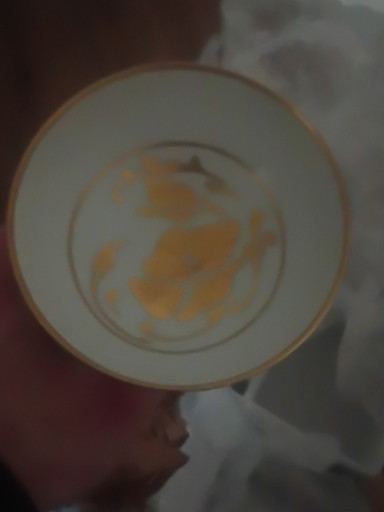
Decorative plate with 24K gold-etched ducks, Art of Chokin technique, made in Japan

History
Art of Chokin is a traditional Japanese metalworking technique that emerged in the 1970s, combining copper, brass, and precious metals with intricate etching and engraving. These decorative plates feature hand-applied 24K gold leaf designs on copper or brass bases, often depicting nature scenes like birds, flowers, and landscapes. The technique involves multiple layers of metal application and detailed hand-engraving to create dimensional artwork. Art of Chokin pieces became highly popular as collectible decorative items in Western markets during the 1980s and 1990s, representing fine Japanese craftsmanship and artistic tradition. These plates appeal to collectors of Japanese decorative arts, vintage home décor enthusiasts, and those who appreciate traditional metalworking techniques. The combination of precious metals, intricate craftsmanship, and nature-inspired designs makes them valued for both their aesthetic beauty and cultural significance. Collectors particularly seek pieces with well-preserved gold detailing and clear maker's marks, as they represent an important period of Japanese export art.
Origin
Japan
Maker
Art of Chokin
Time period
circa 1970-1990