
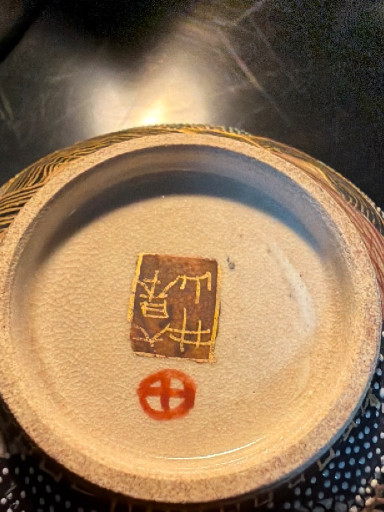
Japanese Satsuma porcelain bowl with millefleur decoration, signed Shozan

History
This Satsuma ware bowl originates from the Meiji period (1868–1912), when Japanese artisans refined their ceramic techniques to appeal to Western collectors. Satsuma pottery, characterized by its cream-colored crackle glaze and intricate hand-painted decoration, became highly prized during this era of cultural exchange. The millefleur (thousand flowers) pattern represents the pinnacle of Satsuma decorative artistry, requiring exceptional skill to execute. Satsuma ware is highly valued by collectors of Japanese ceramics and Asian art enthusiasts for its historical significance and exquisite craftsmanship. The Shozan signature indicates a respected workshop known for quality production during the Meiji period. These pieces appeal to collectors who appreciate the technical mastery of hand-painted porcelain and the cultural heritage of Japanese export ceramics. The combination of traditional Japanese aesthetics with Western-influenced forms makes these pieces particularly desirable in the international antiques market.
Origin
Japan
Maker
Shozan
Time period
Meiji period, circa 1868–1912